Primary topic Apps vs Web
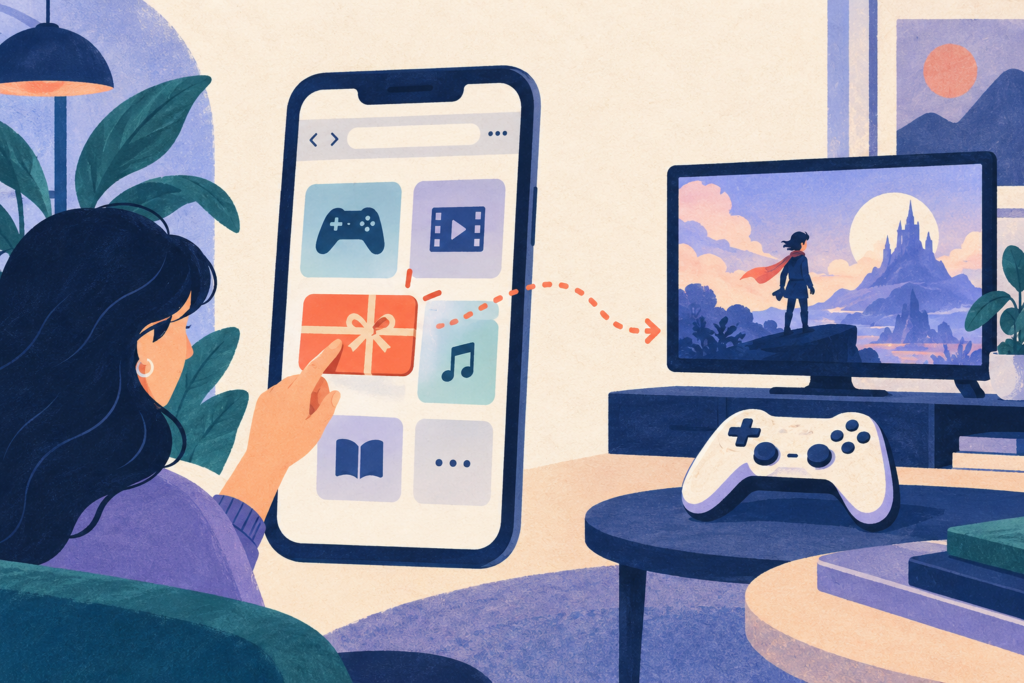
PhonePe is giving its app marketplace a second job: selling digital goods to people arriving through a browser. In its October 28, 2026 announcement, the company renamed its India-focused Indus Appstore to PhonePe Appstore and introduced a webstore for desktop and mobile browsers. PhonePe says customers can discover and purchase digital goods without downloading a dedicated marketplace app.
For publishers and product teams, that creates another place to send someone who wants to buy a specific item. The immediate examples are gift cards, with their own redemption steps. In the announcement, PhonePe placed a separate Digital Top-ups feature on its roadmap. The distinction matters because buying digital value, redeeming it and downloading an app are different tasks.
What is already on the web
As of October 29, the gift-card catalog includes Amazon Pay and Flipkart cards alongside Steam Wallet cards and Minecraft Minecoins gift cards. “Digital goods” here covers vouchers used with retailers and services as well as gaming products. Each listing has its own destination and redemption process.
The Steam Wallet Card page makes the purchase path concrete. It offers a choice of card values and a payment prompt. Its redemption instructions then send the buyer to Steam to sign in, enter the gift-card code and add the value to a Steam Wallet. Buying the card and making its value available in Steam are separate steps.
The Flipkart E-Gift Card listing documents a different destination: select products on Flipkart, choose gift-card payment at checkout, and enter the card number and PIN. The listing gives the card a one-year validity period. The browser storefront sells a voucher; the retailer is where the customer subsequently uses it.
Those details matter more than a discount badge. A buyer needs to know where the value can be used, whether it expires and what is required to redeem it. The Amazon Pay card’s published conditions, for example, restrict redemption to eligible purchases and say that unused balances cannot be transferred to another user’s account. Conditions belong to the individual product, so one card’s rules should not be assumed to cover the whole store.
The app still has its own delivery path
Indus Appstore began as an Android app marketplace, with its consumer launch on February 21, 2024. The new name and shopping channel expand what the marketplace does. They do not establish a new way for its native apps to run on the web.
The current PhonePe Appstore terms continue to describe the native marketplace, its mobile apps and compatible devices in Android terms. Browser access to a digital-goods shop is a separate capability. Being able to open a product page on a computer does not establish that the corresponding mobile app can run on that computer.
The Sony LIV app listing shows the distinction in the interface. It presents screenshots, a download size, permissions and developer information, then directs visitors to scan to download through PhonePe Appstore. That is an app-discovery page leading toward installation. It is a different task from buying a gift card through a web product page.
For a developer, the practical implication is that the place where someone buys digital value can be different from the place where they use the product. Selling a voucher on the web does not require moving gameplay or other app features into a browser. Installation, compatibility and updates remain questions for the app’s distribution channel.
A more direct destination for a purchase link
PhonePe’s stated benefit is access to digital-goods shopping without downloading the marketplace app. That gives a publisher a straightforward option: a product guide, promotion or support article can link to the relevant web listing. Someone interested in a Steam card can arrive at that card’s description and redemption instructions, with the purchase action on the same page.
The value of that arrangement is the match between the link and the reader’s task. A page about buying credit can lead to the credit product. A page about installing software can lead to the app listing. Both destinations can exist in the same marketplace while serving different purposes.
Whether this produces more completed purchases requires transaction data. The announcement supplies no conversion result to apply to another business, and a public payment prompt reveals little about how well the full purchase and redemption journey works.
For teams evaluating the channel, the useful question is whether a customer can get from the specific product link to usable value in the intended service. A page visit, a successful payment and a redeemed code are distinct milestones. The Steam instructions make that last step especially clear: the customer’s task continues after the marketplace purchase.
What PhonePe has promised for Digital Top-ups
PhonePe’s announcement explicitly places Digital Top-ups in its feature pipeline, with gaming first. It describes planned purchases of in-game currency and items, dating-app boosts and technology-related top-ups, but gives no launch date for that feature.
The existing gaming gift cards therefore should not be treated as proof that the announced top-up rollout is complete. A Steam Wallet code already has a documented redemption process. Listings for products such as Minecoins also identify themselves as gift cards. Those are existing products with specific descriptions; the broader feature announcement describes what PhonePe intends to add.
The announcement does not explain whether future top-ups will use codes, account identifiers or another fulfillment method. That leaves a material question for game developers: how will a purchase reach the correct player, and what will the player need to do? A studio planning around the new feature needs supported-title information and fulfillment documentation before treating it as an established sales channel.
What the 200 million devices figure tells a business
In the same announcement, PhonePe reports a presence on more than 200 million devices, driven by partnerships with device manufacturers. That is a statement about device presence. It is not a count of active shoppers, paying customers or visitors to the new webstore.
The distinction changes how a product team should assess the opportunity. A large installed footprint can explain interest in the marketplace, but it cannot supply a web sales forecast. A forecast needs evidence about the relevant audience and completed transactions in the channel being considered. The browser storefront will need to demonstrate that performance on its own terms.
Follow the purchase through to fulfillment
The gift-voucher section of PhonePe Appstore’s consumer terms describes the platform as an intermediary for vouchers supplied by third parties. It directs users to product-specific conditions and the relevant provider or merchant for voucher issues. For a publisher recommending a product, that makes the redemption destination and support route part of the information a reader needs before paying. The terms also do not represent the service as intended for use outside India. An accessible product page alone does not establish that a voucher will work with an international reader’s account.
PhonePe also presents the expanded marketplace as an opportunity for developers to improve margins. That is the company’s proposition; the October announcement does not provide a merchant fee schedule or a calculation showing those savings. A business assessing participation still needs the commercial terms for the particular product and arrangement.
The useful lesson for a team choosing how to use apps and the web is to assign each channel a specific job. A web page can handle discovery and the purchase of a voucher, the relevant brand or service can handle redemption, and an installed app can remain where the customer uses the product. PhonePe’s current listings make that division visible. Its planned Digital Top-ups feature will need equally clear answers about what is sold and how it reaches the buyer.